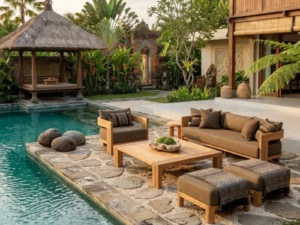

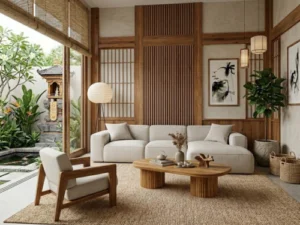
Japandi Furniture Design has become one of the most influential interior design trends in recent years. Combining the simplicity of Scandinavian design with the elegance of Japanese aesthetics, this furniture style creates spaces that feel calm, functional, and timeless.
Homeowners, interior designers, and architects increasingly choose Japandi furniture because it offers a perfect balance between beauty and practicality. Furthermore, its focus on natural materials and minimalist forms makes it suitable for both modern homes and commercial spaces.
What Is Japandi Furniture Design?
Japandi Furniture Design is a design philosophy that merges two well-known styles: Japanese and Scandinavian. While Scandinavian design emphasizes comfort, functionality, and simplicity, Japanese design focuses on craftsmanship, balance, and harmony with nature.
As a result, Japandi furniture features clean lines, natural materials, neutral colors, and practical functionality. The combination creates interiors that feel warm, inviting, and uncluttered.
The Origins of Japandi Style
Although Japanese and Scandinavian cultures come from different parts of the world, they share many design principles. Both appreciate simplicity, craftsmanship, and a strong connection to natural materials.
Moreover, both design traditions embrace the concept of living with fewer but higher-quality items. Therefore, the fusion of these styles feels natural and has become increasingly popular in contemporary interior design.
Key Characteristics of Japandi Furniture Design
Several features distinguish Japandi furniture from other interior styles.
Minimalist Forms
Japandi furniture avoids unnecessary ornamentation and decorative details. Instead, designers focus on simple shapes and balanced proportions.
Consequently, furniture pieces appear elegant without feeling excessive.
Natural Materials
Wood plays a significant role in Japandi Furniture Design. Manufacturers often use teak, oak, ash, walnut, and other natural materials to create furniture with warmth and authenticity.
Furthermore, natural fibers, linen fabrics, and handcrafted details help strengthen the connection to nature.
Neutral Color Palette
Most Japandi interiors use calming colors such as beige, white, gray, soft brown, and muted earth tones.
As a result, spaces feel peaceful and visually harmonious.
Functionality and Comfort
Every furniture piece serves a purpose. Rather than filling a room with unnecessary items, Japandi design prioritizes functionality and everyday comfort.
Therefore, the style is ideal for people who appreciate practical living without sacrificing aesthetics.
Why Japandi Furniture Design Is So Popular
The growing popularity of Japandi Furniture Design reflects modern lifestyle preferences. Many people seek homes that feel relaxing and organized while still maintaining a sophisticated appearance.
In addition, remote work and flexible living arrangements have increased demand for interiors that support comfort, productivity, and well-being.
Because of its minimalist nature, Japandi furniture also helps create a sense of spaciousness, even in smaller homes and apartments.
Best Wood Materials for Japandi Furniture
Natural wood is one of the defining elements of Japandi interiors. Several wood species are particularly popular for this design style.
Teak Wood
Teak offers durability, beautiful grain patterns, and warm natural colors. Therefore, it is frequently used for dining tables, chairs, cabinets, and bedroom furniture.
Oak Wood
Oak provides a clean and contemporary appearance that complements Scandinavian influences within Japandi interiors.
Ash Wood
Ash wood features subtle grain patterns and light colors, making it ideal for minimalist furniture designs.
Popular Japandi Furniture Pieces
Many furniture products work perfectly within a Japandi-inspired interior.
Common examples include:
- Dining Tables
- Dining Chairs
- Coffee Tables
- Sideboards
- TV Cabinets
- Bed Frames
- Wardrobes
- Lounge Chairs
- Open Shelving Units
- Console Tables
Moreover, these furniture pieces often feature slim profiles, smooth surfaces, and understated elegance.
Japandi Furniture Design for Modern Homes
One reason homeowners love Japandi Furniture Design is its versatility. Whether used in apartments, family homes, villas, or hospitality projects, the style creates a welcoming atmosphere.
Furthermore, Japandi furniture blends seamlessly with contemporary architecture and open-plan living spaces. As a result, it remains one of the most adaptable furniture styles available today.
Sustainability in Japandi Furniture Design
Sustainability has become an important consideration for furniture buyers worldwide. Fortunately, Japandi design naturally aligns with sustainable living principles.
Because the style focuses on quality over quantity, consumers often invest in fewer but longer-lasting furniture pieces. Additionally, manufacturers frequently use responsibly sourced wood and environmentally friendly finishing materials.
Therefore, Japandi furniture supports both aesthetic and environmental goals.
Why Choose Japandi Furniture Design?
Japandi Furniture Design offers numerous advantages, including:
Natural and timeless aesthetics
Minimalist yet functional design
Comfortable living environments
High quality craftsmanship
Compatibility with modern interiors
Sustainable design principles
As a result, this style continues to attract homeowners, interior designers, and furniture buyers around the world.
Conclusion
Japandi Furniture Design successfully combines the best elements of Japanese and Scandinavian design philosophies. Its focus on simplicity, functionality, natural materials, and craftsmanship creates interiors that feel peaceful, elegant, and timeless.
Whether you are furnishing a modern home, luxury villa, boutique hotel, or commercial project, Japandi furniture offers a sophisticated solution that balances beauty with practicality. Consequently, it remains one of the most sought-after furniture styles in contemporary interior design.