
Water Based Wood Paint has become one of the most popular finishing solutions in the furniture and woodworking industry. As environmental awareness continues to grow, manufacturers, craftsmen, and homeowners are increasingly choosing water-based coatings as a safer and more sustainable alternative to traditional solvent-based finishes.
Thanks to advancements in coating technology, modern water-based paints now offer excellent durability, attractive finishes, and easier application while producing significantly lower emissions.
What Is Water Based Wood Paint?
Water Based Wood Paint is a type of coating that uses water as its primary carrier instead of organic solvents. Unlike traditional finishes such as lacquer, shellac, or solvent-based varnishes, water-based products contain very low levels of Volatile Organic Compounds (VOCs).
As a result, they produce fewer harmful emissions and contribute less to indoor and outdoor air pollution.
Most modern water-based wood coatings are formulated using acrylic resins, polyurethane resins, or a combination of both. These materials provide strong adhesion, durability, and a clear finish while maintaining environmental safety.
The Growing Popularity of Water Based Finishes
Environmental regulations in Europe, North America, and many other regions have encouraged the use of low-VOC finishing products. Governments and environmental organizations increasingly promote coatings that reduce air pollution and improve workplace safety.
Consequently, water-based finishes have become a preferred choice for furniture manufacturers, cabinet makers, and woodworking professionals around the world.
In addition, consumers are becoming more aware of the health risks associated with high-VOC products. This shift has accelerated the demand for environmentally friendly finishing solutions.
Key Characteristics of Water Based Wood Paint
Water-based coatings offer several unique characteristics that distinguish them from conventional solvent-based products.
Low VOC Content
One of the most significant advantages is the low concentration of VOCs. Since these coatings contain minimal solvents, they release fewer harmful chemicals into the atmosphere.
Therefore, they are safer for both users and the environment.
Easy Cleanup
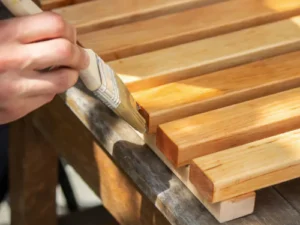
Because water serves as the primary carrier, brushes, rollers, and spray equipment can usually be cleaned with water immediately after use.
This reduces the need for harsh cleaning chemicals and simplifies the finishing process.
Fast Drying Time
Water-based finishes generally dry faster than many traditional solvent-based coatings.
As a result, manufacturers can increase productivity and reduce production times, making them suitable for commercial furniture manufacturing.
Excellent Color Stability
Unlike some conventional finishes that may yellow over time, water-based coatings maintain their original appearance for longer periods.
Consequently, furniture retains its natural beauty and color consistency for years.
Performance and Durability
Modern water-based coatings provide excellent protection against everyday wear and tear. The cured film forms a durable surface that helps protect wood from scratches, moisture, and general use.
Many advanced formulations also incorporate polyurethane technology to improve hardness and durability. Therefore, they can be used on furniture that experiences frequent use, including dining tables, chairs, cabinets, and shelving units.
For outdoor furniture, specialized water-based polyurethane systems provide additional protection against weather exposure and humidity.
Water Based Paint vs Solvent Based Paint
When comparing water-based and solvent-based coatings, several differences become apparent.
Environmental Impact
Water-based finishes contain fewer harmful emissions and contribute less to air pollution.
By contrast, solvent-based coatings typically contain higher levels of VOCs that evaporate during application and curing.
Safety
Because they contain fewer flammable chemicals, water-based products are generally safer to store, transport, and apply.
Furthermore, they produce less odor, creating a more comfortable working environment.
Maintenance and Cleanup
Water-based coatings are easier to clean during application, whereas solvent-based finishes often require thinners, acetone, or other strong chemicals.
Appearance
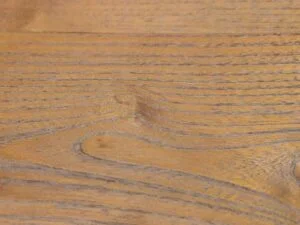
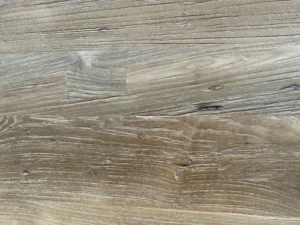
Modern formulations provide excellent clarity and allow the natural wood grain to remain visible. As a result, they are ideal for projects where preserving the wood’s natural character is important.
Common Applications of Water Based Wood Paint
Water-based coatings are suitable for a wide range of woodworking and furniture applications, including:
- Dining Tables
- Dining Chairs
- Cabinets
- Wardrobes
- Bed Frames
- Wooden Doors
- Shelving Units
- Interior Wall Panels
- Office Furniture
- Outdoor Furniture
Moreover, these coatings work particularly well on furniture designs that emphasize natural wood grain and open-pore finishing styles.
Advantages of Water Based Wood Paint
There are several reasons why professionals and homeowners continue to choose water-based finishing systems.
Environmentally Friendly
Low VOC emissions help reduce environmental impact and improve indoor air quality.
Low Odor
The reduced solvent content creates a more comfortable application experience.
Fast Production Process
Quick drying times help increase efficiency in furniture manufacturing.
Clear and Natural Appearance
The finish highlights natural wood grain while maintaining excellent transparency.
Long Lasting Protection
Modern formulations provide reliable protection against daily wear and moisture exposure.
Choosing the Right Water Based Finish
When selecting a water-based coating, it is important to consider the intended application, desired appearance, and durability requirements.
Furniture intended for indoor use may require different performance characteristics than furniture exposed to outdoor conditions. Therefore, choosing the appropriate acrylic or polyurethane system can significantly affect the final result.
Working with high-quality finishing products and following proper application procedures will help ensure optimal performance and long-term durability.
Conclusion
Water Based Wood Paint has transformed the furniture finishing industry by providing a safer, cleaner, and more environmentally responsible alternative to traditional coatings. Its low VOC content, fast drying time, easy application, and excellent durability make it an ideal choice for modern furniture manufacturing.
Whether used on indoor furniture, cabinetry, decorative woodwork, or outdoor projects, water-based finishes offer a combination of performance, beauty, and sustainability that continues to meet the demands of today’s furniture market.