
The rise of Scandinavian furniture design has significantly influenced the global furniture industry. Its popularity stems from a growing appreciation for minimalist, functional, and natural-looking furniture. One of the finishing techniques commonly used in Scandinavian, minimalist, industrial, and contemporary furniture is Open-Pore Finishing.
This finishing method enhances the natural beauty of wood while maintaining a simple yet elegant appearance. In this article, we will explore what open-pore finishing is, its characteristics, advantages, disadvantages, and how it compares to closed-pore finishing.
What Is Open-Pore Furniture Finishing?
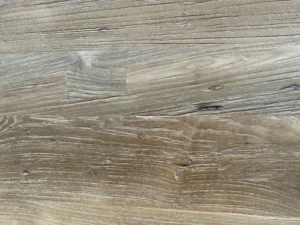
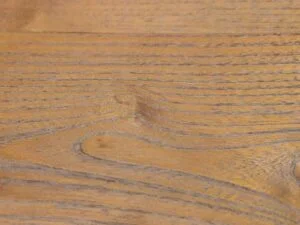
Open-pore finishing is a wood finishing technique that protects the furniture surface while intentionally leaving the wood pores visible and perceptible to the touch. Unlike closed-pore finishing, which fills and seals the wood grain completely, open-pore finishing preserves the natural texture and character of the wood.
As a result, the grain patterns remain highly visible, creating an authentic and organic appearance that highlights the beauty of the material itself.
Appearance of Open-Pore Finished Furniture
Furniture finished with an open-pore technique offers a simple, elegant, and natural look. The wood grain remains prominent, especially on hardwoods such as teak, where the natural patterns become a key design feature.
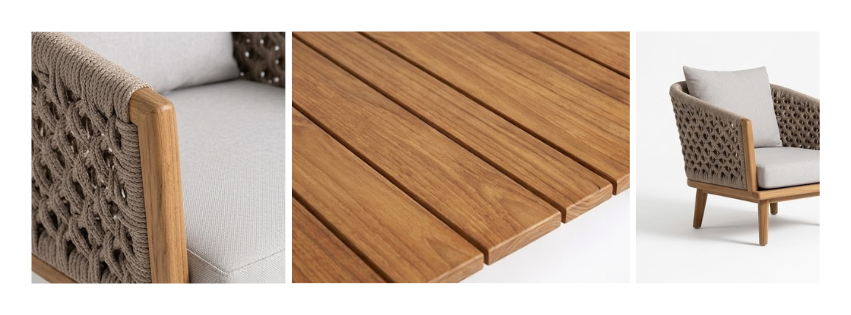
Characteristics of open-pore furniture include:
- Visible and well-defined wood grain.
- Natural surface texture that follows the wood’s growth patterns.
- Open pores that can still be felt while maintaining a smooth touch.
- A warm and authentic appearance that complements minimalist and Scandinavian interiors.
Environmentally Friendly Finishing Solution
Open-pore finishing is often considered a more environmentally friendly option because it typically requires fewer finishing materials and lower amounts of hardeners and chemical additives.
Many international markets prefer furniture with open-pore finishes due to increasing environmental regulations and consumer demand for sustainable products. In many cases, these finishing systems can better align with food-safe and eco-friendly standards compared to heavily coated finishing methods.
Common Materials Used for Open-Pore Finishing
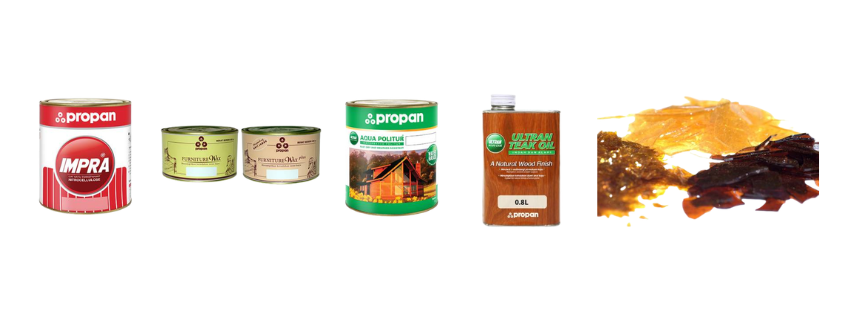
Several finishing materials can be used to achieve an open-pore effect:
- Nitrocellulose (NC) Finish
- Water-Based Finish
- Shellac (French Polish)
- Teak Oil
- Wax Polish
Each material offers unique characteristics, but all aim to preserve the natural texture and appearance of the wood.
Open-Pore Finishing Process Using Nitrocellulose (NC)
The following is a general overview of the finishing process using Nitrocellulose materials.
1. Raw Wood Sanding
Since open-pore finishing uses minimal finishing material, the quality of the sanding process is critical. The wood must be carefully sanded multiple times following the grain direction to achieve a smooth and even surface.
This stage often requires significant time and attention because the wood must already appear refined before any finishing products are applied.
2. Base Coat Application
A light coat of Nitrocellulose sanding sealer is applied to smooth the wood fibers and prepare the surface for coloring.
Typically, only one or two spray coats are applied, unlike closed-pore finishing, which may require three to five coats to completely fill and seal the pores.
3. Wood Staining
After sanding the sealer and removing all dust, a wood stain is applied evenly across the furniture surface.
Usually, one spray coat is sufficient, although additional applications may be necessary to achieve consistent color throughout the piece.
4. Secondary Sanding Sealer
A second light coat of sanding sealer is applied to lock in the stain color and improve adhesion for the final topcoat.
This layer helps preserve color consistency while creating a stronger bond between the stain and the protective finish.
5. Topcoat Application
The final Nitrocellulose clear topcoat is sprayed onto the furniture.
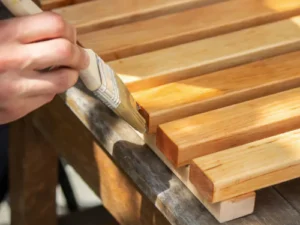
This topcoat enhances the appearance of the wood while maintaining the open-pore effect. The finish penetrates into the wood pores rather than completely filling them, resulting in a surface that visually retains its natural texture while feeling smooth to the touch.
Advantages of Open-Pore Furniture Finishing
1. Enhanced Wood Grain Visibility
The natural grain patterns remain highly visible, making the furniture more attractive and authentic, particularly when using natural wood tones.
2. Natural and Elegant Appearance
The minimal use of finishing materials allows the wood’s natural beauty to take center stage. This makes open-pore finishing ideal for Scandinavian, minimalist, rustic, and antique-inspired furniture designs.
3. Faster Production Time
Because fewer finishing layers are required, production can be completed more quickly compared to closed-pore finishing systems.
This efficiency is especially beneficial for large-scale furniture manufacturing projects.
4. Lower Finishing Costs
Reduced material consumption and shorter finishing processes generally result in lower production costs without sacrificing the natural beauty of the furniture.
5. More Eco-Friendly
Open-pore finishing typically requires fewer chemicals and less intensive coating systems, making it a more sustainable and environmentally conscious finishing choice.
Disadvantages of Open-Pore Furniture Finishing
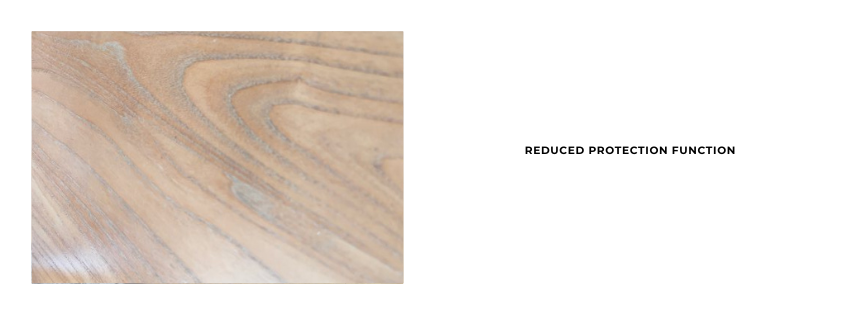
1. Reduced Surface Protection
Because the protective film is relatively thin, open-pore finishes provide less resistance to impacts, scratches, and abrasion compared to closed-pore finishes.
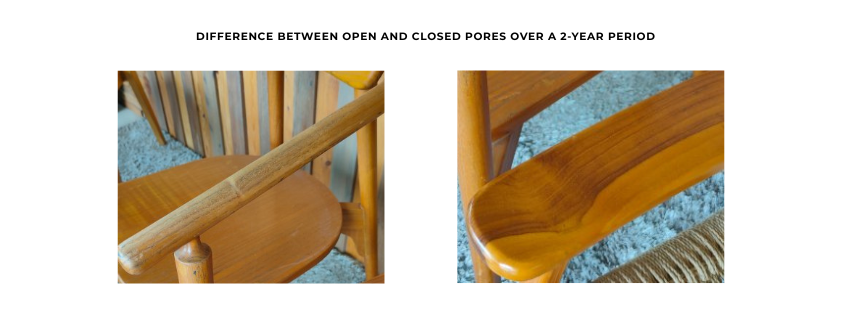
2. Topcoat Wear Over Time
Frequently used furniture such as dining chairs, lounge chairs, and beds may experience gradual wear of the topcoat due to regular contact and friction.
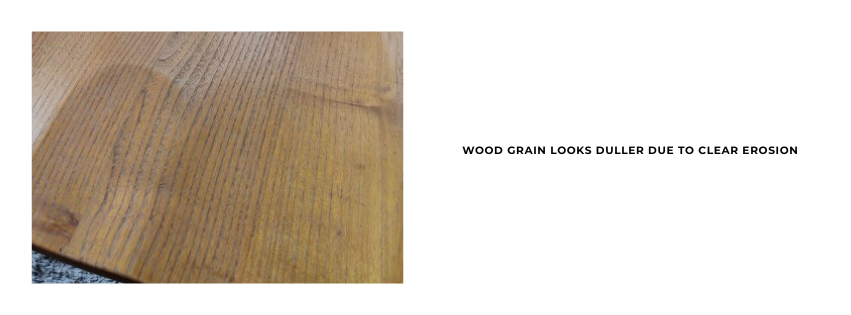
3. Faster Aging of Color
As the protective layer wears down, the finish may become dull, faded, or slightly dirty-looking more quickly than heavily protected closed-pore surfaces.
However, many furniture enthusiasts consider this aging process part of the furniture’s natural character rather than a defect.
Open-Pore vs. Closed-Pore Finishing After Two Years
Over time, the differences between the two finishing systems become more noticeable:
Open-Pore Finishing
- More natural appearance.
- Wood grain remains highly visible.
- Surface protection gradually decreases.
- Finish may develop a softer, aged character.
Closed-Pore Finishing
- Smoother and more polished appearance.
- Higher resistance to scratches and moisture.
- Better long-term color retention.
- More formal and luxurious visual presentation.
Conclusion
The choice between open-pore and closed-pore finishing is not simply a matter of quality—it is a matter of design philosophy and personal preference.
Open-pore finishing embraces simplicity, authenticity, and the natural beauty of wood. It allows the grain, texture, and character of the material to remain visible and appreciated. While it offers less protection than closed-pore finishing, it delivers a warm, organic appearance that is highly valued in Scandinavian, minimalist, and contemporary furniture designs.
For those who appreciate natural aesthetics and sustainable craftsmanship, open-pore finishing represents an excellent balance between beauty, simplicity, and environmental responsibility.
Premium Open-Pore Furniture from Indonesia
As a trusted Indonesian furniture manufacturer, Woodgrand Furniture offers a wide range of handcrafted furniture featuring premium open-pore finishing. Our collections include Scandinavian, minimalist, contemporary, and rustic designs crafted from high-quality solid wood.
We welcome customers, designers, wholesalers, and importers to visit our workshop in Jepara, Indonesia, to experience our craftsmanship and production process firsthand.
At Woodgrand Furniture, we believe that every piece of furniture should celebrate the natural beauty of wood while delivering lasting value and timeless design.