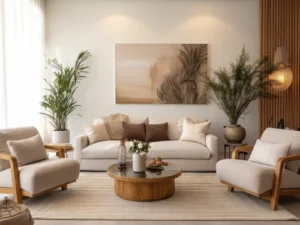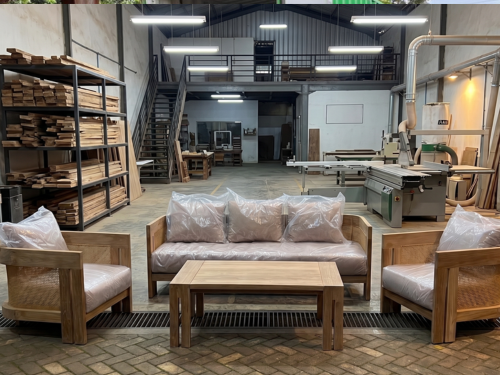

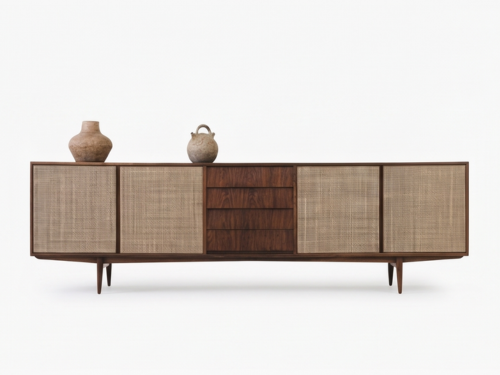
Furniture Trends continue to evolve as homeowners, designers, and businesses seek new ways to create functional and attractive living spaces. From sustainable materials and minimalist aesthetics to multifunctional furniture and natural finishes, modern furniture design reflects changing lifestyles and consumer preferences.
Today, furniture is no longer chosen solely for its appearance. Instead, buyers increasingly prioritize comfort, durability, sustainability, and versatility. As a result, manufacturers are developing innovative furniture solutions that meet the demands of modern living.
What Are Furniture Trends?
Furniture Trends refer to the popular styles, materials, colors, and design concepts that influence furniture manufacturing and interior design. These trends reflect consumer behavior, technological advancements, and changing lifestyle needs.
Furthermore, furniture trends often emerge from broader design movements, including Scandinavian, Japandi, minimalist, contemporary, and sustainable design philosophies.
Understanding these trends helps homeowners, designers, and businesses make informed decisions when selecting furniture for residential and commercial spaces.
Trend 1: Sustainable Furniture
Sustainability has become one of the most influential trends in the furniture industry. Consumers increasingly prefer furniture made from responsibly sourced materials and environmentally friendly production methods.
Wood species such as teak, oak, and ash remain popular because of their durability and long lifespan. Additionally, water-based finishes and low-VOC coatings help reduce environmental impact while maintaining product quality.
As sustainability continues to shape purchasing decisions, furniture manufacturers are investing in greener production practices and responsible sourcing programs.
Trend 2: Japandi Style Furniture
Japandi furniture combines the simplicity of Scandinavian design with the elegance of Japanese craftsmanship. This design trend focuses on natural materials, clean lines, neutral colors, and practical functionality.
As a result, Japandi furniture creates interiors that feel calm, balanced, and welcoming. Its timeless appearance has made it one of the most sought-after furniture styles in modern homes.
Furthermore, Japandi design aligns closely with sustainability principles by emphasizing quality over quantity.
Trend 3: Scandinavian Furniture Design
Scandinavian furniture remains a leading influence in contemporary interiors. Known for its minimalist forms and functional approach, this style emphasizes comfort, simplicity, and natural beauty.
Light wood tones, soft color palettes, and practical furniture layouts contribute to its enduring popularity. Consequently, Scandinavian-inspired furniture continues to appeal to homeowners seeking clean and uncluttered living environments.
Trend 4: Multifunctional Furniture
As urban living spaces become smaller, multifunctional furniture is growing in demand. Consumers increasingly seek furniture that serves multiple purposes while maximizing available space.
Examples include:
- Extendable dining tables
- Storage beds
- Modular sofas
- Nesting tables
- Convertible furniture
- Multifunctional shelving systems
Therefore, multifunctional furniture offers practical solutions for apartments, compact homes, and flexible workspaces.
Trend 5: Natural Wood Finishes
Natural wood continues to play a significant role in modern furniture design. Rather than concealing the character of the wood, manufacturers increasingly highlight grain patterns and natural textures.
Open-pore finishing, matte finishes, and lightly stained wood surfaces have become particularly popular. Consequently, furniture appears more authentic and connected to nature.
Teak furniture remains highly valued because of its durability, beauty, and timeless appeal.
Trend 6: Curved and Organic Shapes
Recent furniture collections increasingly feature soft curves and organic forms. Rounded edges, curved sofas, and sculptural furniture pieces help create more inviting and comfortable interiors.
Furthermore, organic shapes add visual interest while balancing the straight lines often found in contemporary architecture.
As a result, this trend continues to gain popularity among interior designers and homeowners alike.
Trend 7: Outdoor Living Spaces
The growing focus on outdoor living has influenced furniture design significantly. Homeowners increasingly view patios, gardens, and terraces as extensions of their indoor spaces.
Therefore, demand for high-quality outdoor furniture continues to rise. Teak outdoor furniture, lounge seating, dining sets, and weather-resistant materials remain among the most popular choices.
Moreover, hospitality businesses frequently invest in premium outdoor furnishings to enhance guest experiences.
Trend 8: Neutral and Earth Tone Colors
Color trends within the furniture industry have shifted toward neutral and earthy palettes. Shades such as beige, warm gray, taupe, brown, and soft green create relaxing environments that complement natural materials.
In addition, these colors provide flexibility and work well with various interior design styles.
Consequently, earth-tone furniture remains a preferred choice for contemporary living spaces.
Trend 9: Custom Furniture Solutions
Customization has become increasingly important as consumers seek furniture that reflects their personal preferences and project requirements.
Furniture manufacturers now offer a wide range of customization options, including dimensions, materials, finishes, fabrics, and configurations.
As a result, custom furniture allows homeowners, architects, and hospitality businesses to create unique interiors tailored to their specific needs.
Why Furniture Trends Matter
Understanding current Furniture Trends helps buyers make informed investment decisions. While trends naturally evolve, many modern design movements emphasize longevity, functionality, and sustainability rather than short-term fashion.
Therefore, selecting furniture based on enduring principles often results in better long-term value and greater satisfaction.
Furthermore, keeping up with industry developments enables manufacturers and designers to remain competitive in an increasingly global market.
The Future of Furniture Trends
The future of furniture design will likely focus on sustainability, innovation, and adaptability. Consumers continue to seek products that combine beauty, functionality, and environmental responsibility.
At the same time, advancements in manufacturing technology will enable greater customization and improved material efficiency.
As these developments continue, furniture trends will increasingly prioritize quality, durability, and user-centered design.
Conclusion
Furniture Trends continue to shape the way people design and furnish their homes, offices, hotels, and commercial spaces. From sustainable materials and Japandi aesthetics to multifunctional furniture and natural wood finishes, today’s trends reflect a desire for comfort, practicality, and timeless style.
Whether you are a homeowner, designer, or furniture manufacturer, understanding these evolving trends can help you create spaces that are both functional and visually appealing for years to come.