
Sustainable Furniture Trends are transforming the global furniture industry. As consumers become more environmentally conscious, the demand for responsibly made furniture continues to grow. Homeowners, interior designers, architects, and hospitality businesses increasingly seek products that combine quality, durability, and sustainability.
Today, sustainability is no longer a niche concept. Instead, it has become a major factor influencing furniture design, material selection, manufacturing processes, and purchasing decisions. As a result, furniture manufacturers worldwide are adapting to meet the growing demand for environmentally responsible products.
What Are Sustainable Furniture Trends?
Sustainable Furniture Trends refer to the evolving practices and design approaches that prioritize environmental responsibility throughout a product’s lifecycle. These trends focus on reducing waste, conserving natural resources, and creating furniture that lasts longer.
Furthermore, sustainable furniture emphasizes ethical sourcing, eco-friendly materials, efficient production methods, and responsible consumption. Consequently, consumers can enjoy beautiful furniture while minimizing their environmental impact.
Why Sustainability Matters in the Furniture Industry
The furniture industry relies heavily on natural resources such as wood, metals, fabrics, and energy. Therefore, adopting sustainable practices helps reduce environmental pressure while supporting long-term resource availability.
Moreover, modern consumers increasingly prefer products that align with their values. Businesses that invest in sustainable manufacturing often gain a competitive advantage in international markets.
As environmental awareness continues to grow, sustainability has become an important consideration for both manufacturers and buyers.
Trend 1: Responsibly Sourced Wood
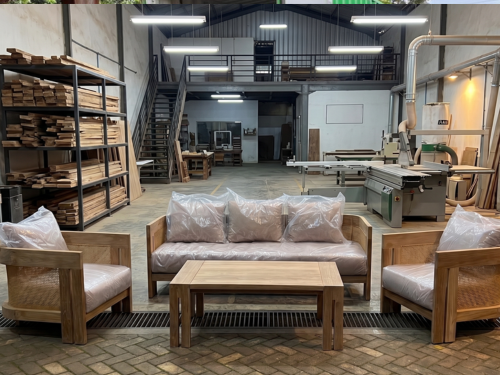
One of the most significant Sustainable Furniture Trends is the use of responsibly sourced wood. Manufacturers increasingly obtain timber from managed plantations and certified forestry programs.
Teak, oak, ash, and walnut remain popular choices because they offer durability and long service life. In addition, responsible sourcing helps protect forests while supporting sustainable timber production.
Furniture made from high-quality wood can last for decades, reducing the need for frequent replacement and minimizing waste.
Trend 2: Long-Lasting Furniture Design
Durability plays a crucial role in sustainability. Rather than producing disposable furniture, manufacturers now focus on creating products that withstand years of daily use.
Timeless designs, strong joinery, and high-quality materials contribute to longer product lifespans. Consequently, consumers invest in furniture that remains functional and attractive for many years.
This approach supports sustainability by reducing overall consumption and waste generation.
Trend 3: Eco-Friendly Finishing Materials
Furniture finishes have a significant impact on environmental performance. Therefore, many manufacturers are transitioning to low-VOC and water-based finishing systems.
These modern finishing materials produce fewer emissions while maintaining excellent durability and appearance. Additionally, they contribute to healthier indoor environments by reducing exposure to harmful chemicals.
As a result, eco-friendly finishing solutions have become increasingly popular across residential and commercial furniture projects.
Trend 4: Natural and Recyclable Materials
Consumers are showing greater interest in furniture made from natural and recyclable materials. Wood, bamboo, rattan, natural fibers, and recycled components are increasingly incorporated into furniture designs.
Furthermore, these materials often require less processing compared to synthetic alternatives. This helps reduce energy consumption and environmental impact during manufacturing.
Consequently, furniture that utilizes renewable resources continues to gain popularity worldwide.
Trend 5: Minimalist and Timeless Design
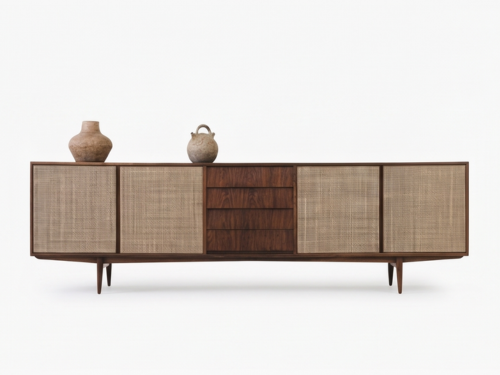
Minimalist design remains one of the strongest Sustainable Furniture Trends. Simple furniture designs tend to remain relevant longer than highly decorative styles that quickly become outdated.
As a result, consumers are more likely to keep and use minimalist furniture for many years. This reduces replacement cycles and supports more sustainable consumption patterns.
Design styles such as Scandinavian, Japandi, and modern contemporary furniture exemplify this trend.
Trend 6: Local and Ethical Manufacturing
Many buyers now consider where and how furniture is produced. Ethical manufacturing practices, fair labor conditions, and transparent production processes are becoming increasingly important.
In addition, sourcing materials and manufacturing closer to target markets can reduce transportation-related emissions. Therefore, local and responsible production contributes to a more sustainable furniture industry.
Trend 7: Furniture Customization
Customization is another growing trend that supports sustainability. Instead of mass-producing generic furniture, manufacturers increasingly offer made-to-order solutions.
This approach helps reduce excess inventory and minimizes waste associated with unsold products. Furthermore, customized furniture often has greater personal value, encouraging owners to keep it longer.
As a result, customization contributes to more responsible consumption habits.
Sustainable Furniture for Commercial Projects
Hotels, restaurants, offices, and hospitality businesses are increasingly incorporating sustainable furniture into their projects. Environmental certifications and sustainability goals often influence purchasing decisions within these sectors.
Moreover, durable and responsibly produced furniture helps businesses reduce replacement costs while supporting corporate sustainability initiatives.
Therefore, sustainable furniture has become an important component of modern commercial interior design.
Benefits of Following Sustainable Furniture Trends
There are several advantages associated with sustainable furniture:
- Reduced environmental impact
- Longer product lifespan
- Improved indoor air quality
- Responsible use of natural resources
- Higher quality craftsmanship
- Timeless aesthetic appeal
- Better long-term value
Consequently, sustainable furniture offers benefits for both consumers and the environment.
The Future of Sustainable Furniture
As technology and environmental awareness continue to evolve, Sustainable Furniture Trends will likely become even more influential. Manufacturers are expected to invest further in responsible sourcing, eco-friendly materials, and efficient production methods.
At the same time, consumers will continue seeking furniture that reflects their commitment to sustainability and quality.
Therefore, sustainable furniture is not simply a temporary trend. It represents a long-term shift toward more responsible and environmentally conscious living.
Conclusion
Sustainable Furniture Trends are reshaping the way furniture is designed, manufactured, and purchased around the world. By focusing on durability, responsible sourcing, eco-friendly materials, and ethical production, the industry is moving toward a more sustainable future.
Whether for residential interiors, hospitality projects, or commercial spaces, sustainable furniture offers a balance of beauty, functionality, and environmental responsibility. As demand continues to grow, these trends will play an increasingly important role in the future of modern furniture design.